
Haven't found a job yet?
Financial support
- If people with a refugee background receive recognition and thus a residence permit, they are no longer entitled to benefits under the Asylum Seekers Benefits Act (Asylbewerberleistungsgesetz)
- If they do not have sufficient income of their own, they can then apply to the Salzgitter Jobcenter for social benefits in accordance with SGB II of the Social Code ("Hartz IV").
Help with finding a job
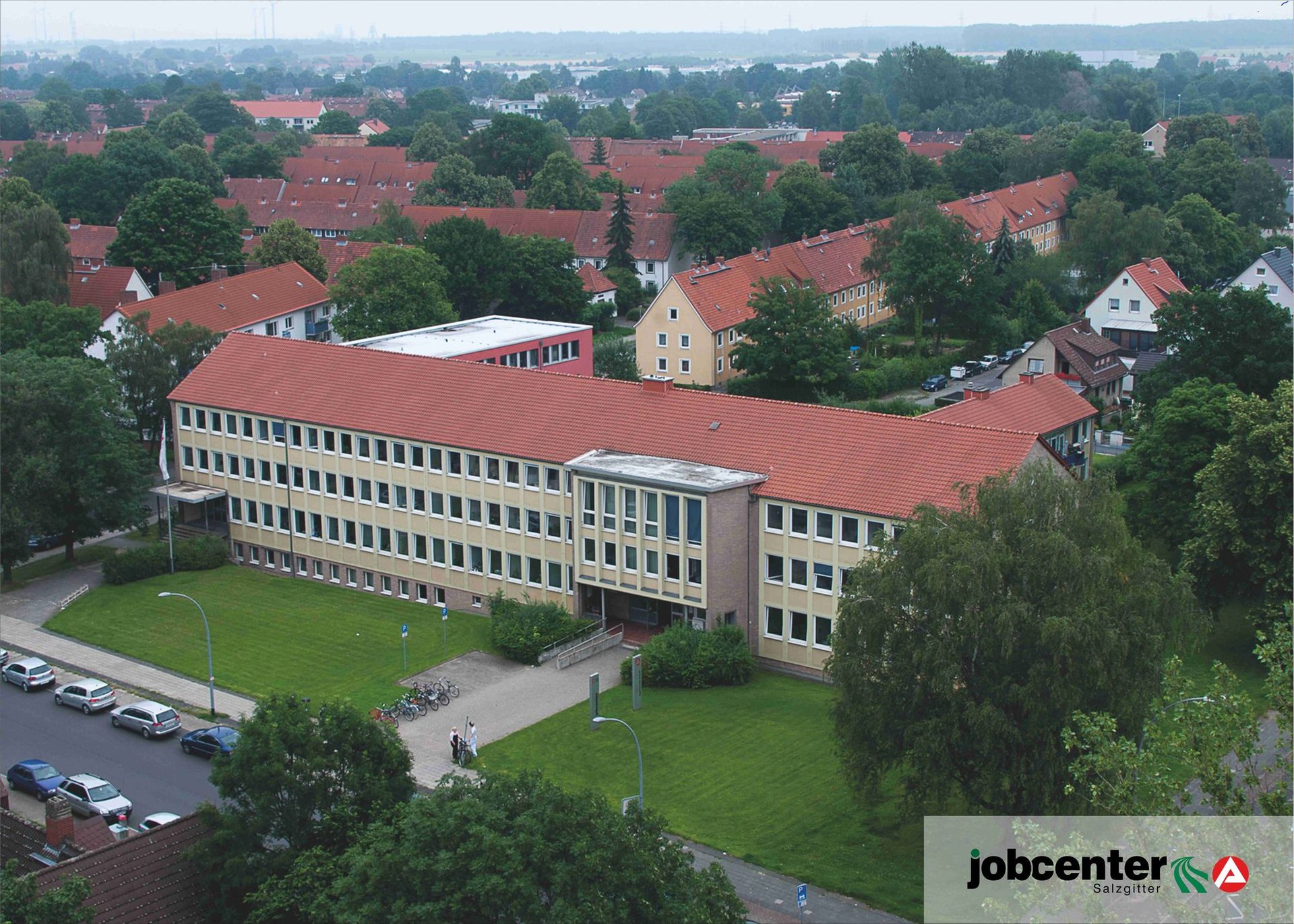
The job center helps people enter the job or training market.
Location
Jobcenter Salzgitter
Lichtenberger Str. 2 a
38226 Salzgitter (Lebenstedt)
Times
Contact us
- +49 5341 868480
- +49 5341 868105
- jobcenter-salzgitterjobcenter-gede
For further orientation, the City of Salzgitter provides information on basic questions about the process and services offered by the Salzgitter Jobcenter on the following topics:
- Money matters, e.g. standard benefit and accommodation costs
- Advice on finding a training place and a job
- Help with the recognition of educational qualifications
- Support services, e.g. for personal problems (debt problems, psychosocial problems, lack of childcare, etc.)
Help for young people on their way into working life
Salzgitter Youth Employment Agency
It helps young people to
- the choice of suitable educational pathways
- career choice and preparation
- finding the right apprenticeship or university place
- overcoming problems at school, at home or personal difficulties
- Applications and preparing for job interviews

The Salzgitter Youth Employment Agency was opened in May 2015 with the aim of supporting young people in the transition from school to work.
The careers advisors from the Braunschweig-Goslar Employment Agency, the U25 integration staff from the Salzgitter Job Center and employees from the City of Salzgitter's youth career assistance service (PACE & KompAS) have moved in together to create a single point of contact that provides quick and easy access for all young people in Salzgitter.
Location
Jugendberufsagentur Salzgitter
Einkaufszentrum Fredenberg - über den Geschäften
Kurt-Schumacher-Ring 4
38228 Salzgitter (Fredenberg)
Times
Opening hours:
Monday to Wednesday
8 am to 3 pm
Thursday to Thursday
8 am to 12 noon and 2 pm to 6 pm
Friday
8 a.m. to 12 p.m.
More information on the website of the youth employment agency
Contact us
Training courses offered by the city of Salzgitter
The Volkshochschule offers:
Pedagogical employee with intercultural competence, certified
- Aimed at people with a migration background who have already worked as teachers or have other previous educational experience.
- It is a certified measure that is financed by the Jobcenter or the Agentur für Arbeit via education vouchers.
- The course is designed and run by VHS Salzgitter in cooperation with the Landesverband Niedersächsischer Volkshochschulen and "VHS-Concept" (an association of 57 Volkshochschulen).
Content of the course:
- Theory: pedagogy, methodology/didactics, communication and conversation, legal framework conditions, teaching-related offers
- Teaching of job-related German language skills
- Internship at German schools and kindergartens
As a basis for further vocational qualification
-
Example: At the vocational schools (BBS) Fredenberg in Lebenstedt: training to become a social assistant.
Contact us
Specialist service for children, youth and family offers:
Training as a pedagogical assistant
- This is a certified measure
- the specialist service for children, youth and family of the city of Salzgitter has developed a training program for this.
- People with a migration background or refugee experience who speak at least two languages and have sufficient German language skills can take part.
- The aim of the training is to enable participants to carry out educational activities (for example in playgroups).
As a basis for further professional training:
- The training is a good introduction to finding employment in the primary labor market after further training in social work fields.
People who speak several languages are currently in particularly high demand in the educational sector (kindergartens, family service centers, etc.). Participants can take on an intermediary role with families from other cultural backgrounds in early childhood education facilities.
