


50,000 years of life in Salzgitter - of Neanderthals, Stone Age farmers and Germanic tribes
The focus is on the excavation of the Palaeolithic hunting station in Salzgitter-Lebenstedt. Neanderthals hunted reindeer there 50,000 years ago in the Ice Age climate. Among thousands of flint artifacts and bones of Ice Age animals, the skull bones of a human were also found. A section of the excavation site can be seen as an original cast and a large mural shows a reconstruction of the landscape in Salzgitter during the last Ice Age. Further information is available on selected topics from the Neolithic Age, the Bronze Age and the pre-Roman Iron Age.

Roman imperial period
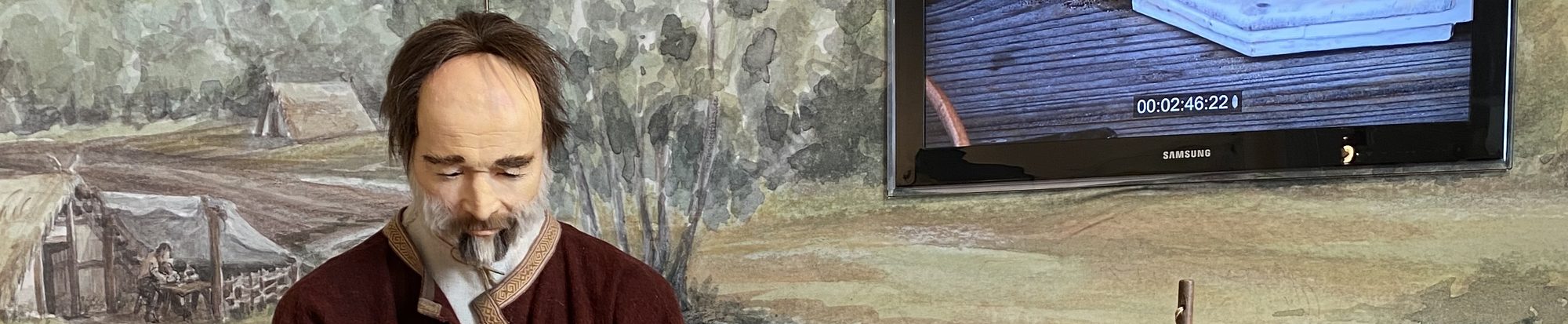
The region was more densely populated in the Roman imperial period (1st - 4th century). Germanic tribes lived in small hamlets. They lived from agriculture, made pottery, produced yarn and wove fabrics. A Germanic settlement from this period has been excavated in Salzgitter-Lobmachtersen. Based on the finds, the work of a bone carver could be proven there. A film and a lifelike installation explain how a three-layer comb was made from deer antlers. Roman objects were also found in the settlement. Sensational, however, was the discovery of a racing furnace, which proves that steel was produced from ore in Salzgitter almost 2000 years ago.
