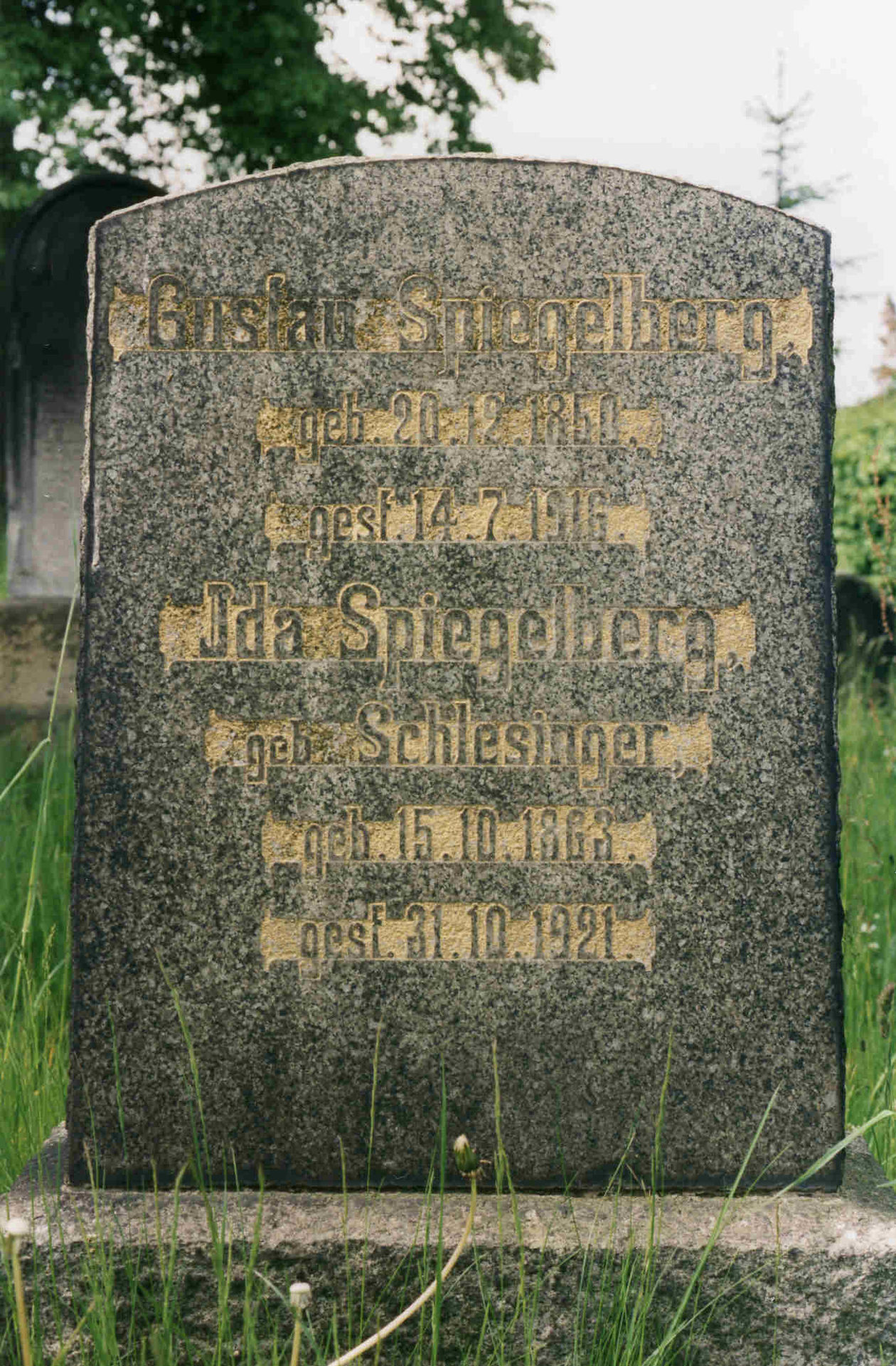
The oldest visible grave was laid out in 1823, the youngest in 1921. It is not known how many people were buried here. The burial ground, formerly part of the community meadow, was acquired by the Jewish community in 1826. It is possible that the site had already been used as a burial ground before then.
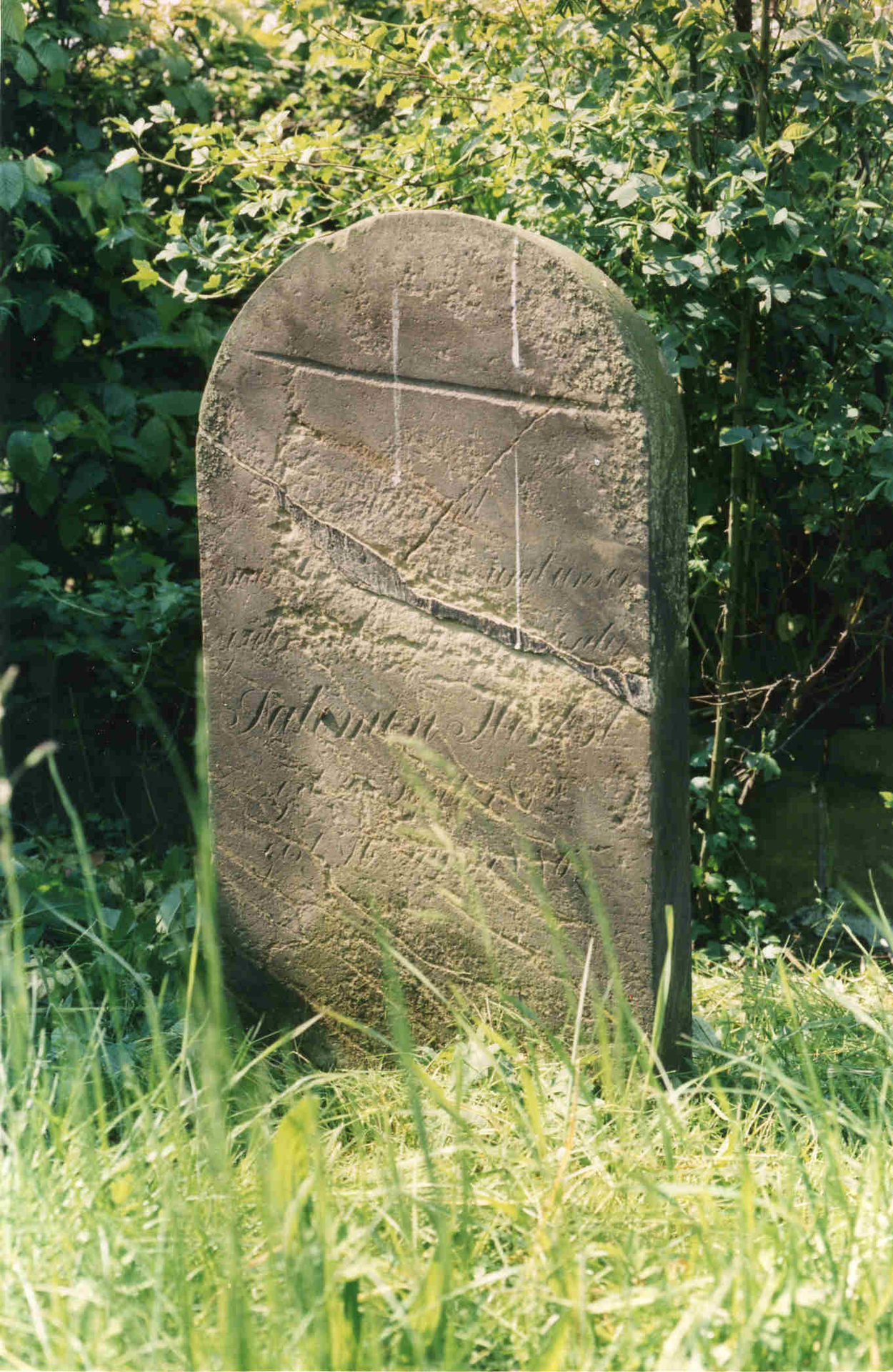
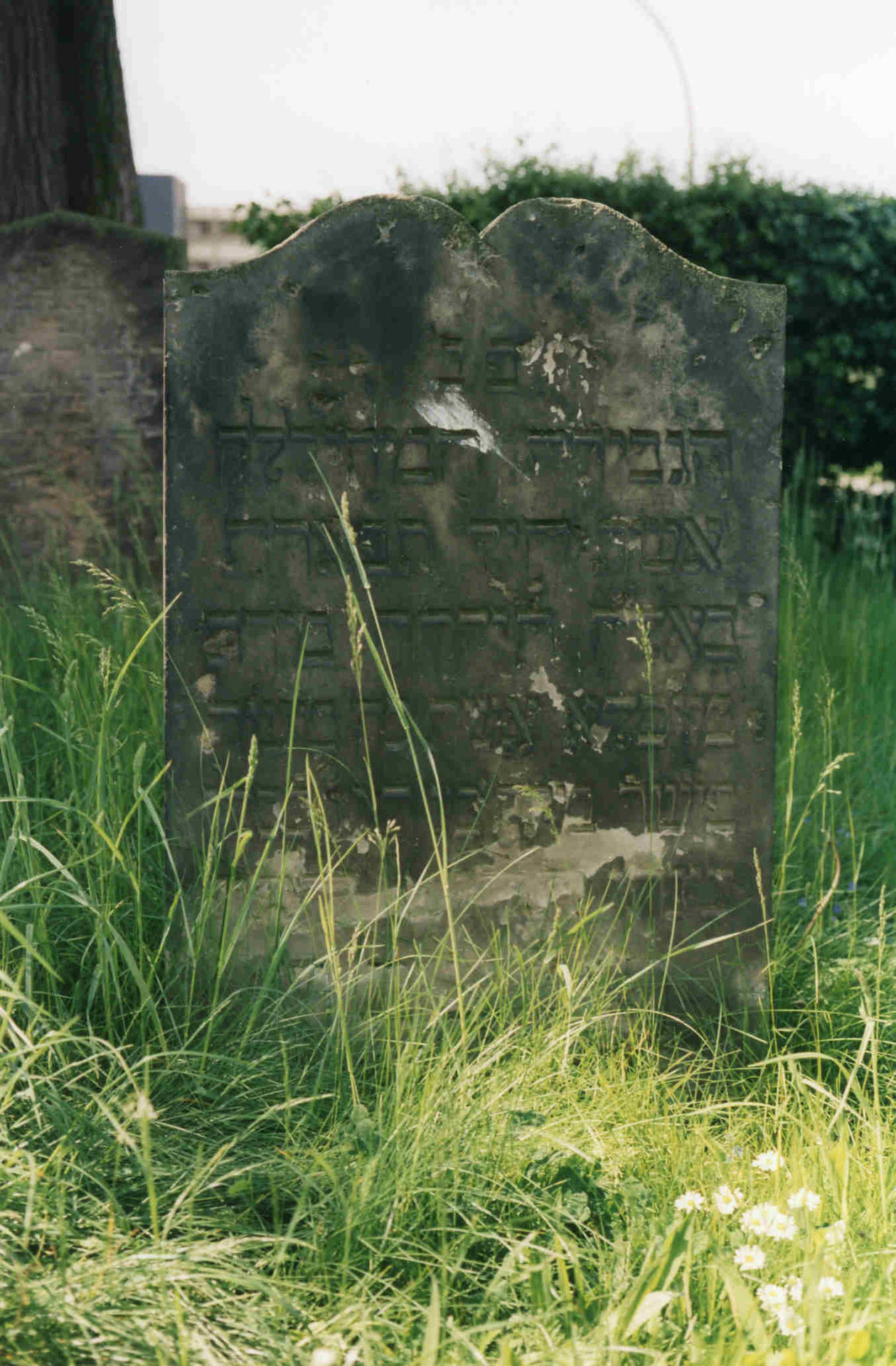
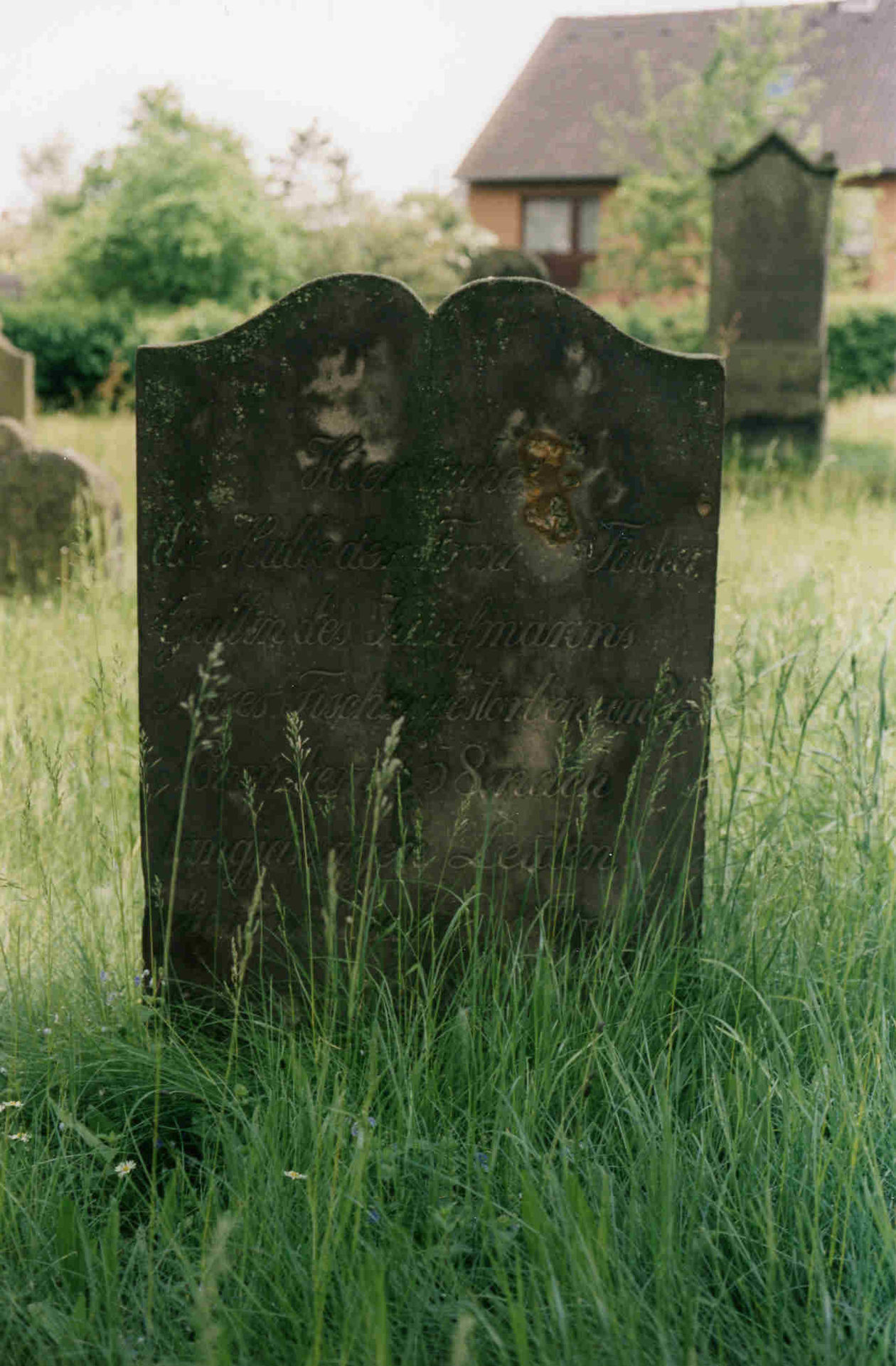
Three of the older gravestones bear inscriptions in Hebrew, some of the more recent ones in German, the majority are inscribed in two languages: Hebrew on the east-facing front and German on the back. The Hebrew inscriptions are based on Jewish tradition with name and calendar details, words of praise and the blessing: "A righteous man is buried here. He walked in perfection. He gave with joy...and he gave to the poor. Löb, son of Mr. Jehuda Bonnheim. Passed away 17 Shevat 615 at the age of 71. May his soul be bound up in the bundle of life." This is the Hebrew inscription on Levi Bonnheim's gravestone. The German inscription on the back gives the civil name and dates of life according to the Christian calendar and is not a translation of the Hebrew, as the example of Levi Bonnheim's gravestone shows. It reads: "Here rests the local citizen and merchant Levi Bonnheim / died on February 5, 1855 / 71 years old."
The history of the Jews in Salzgitter-Bad begins at the end of the 18th century. In 1794, the merchant and lottery collector Samuel Culemann settled in Salzgitter; he came from Kassel and had previously lived in Altwallmoden. Levi Bonnheim came to Salzgitter in 1808. The period of Westphalian rule brought Jews temporary civil and political equality and thus the right to freely choose their place of residence. By 1815, seven more Jewish families had come to Salzgitter, and in 1848 there were 35 Jews living in Salzgitter-Bad. In 1819, the Jews living in Salzgitter-Bad adopted an "Order of the Jewish Community" and elected a head. Services were initially held in the home of a member of the community, but it was not until 1837 that the community rented a simple building in Kuhstraße, which served as a synagogue. The community was small and there was no Jewish elementary school in Salzgitter, although there was a religious school until around 1870.
According to official estimates, three of the ten resident families were considered wealthy in 1848: Philipp Bernheim, Moses Fischer and Levi Bonnheim. Salomon Herbst was labeled "poor", Philipp Birnthal, who earned his living as a bookbinder, was even "very poor".
Philipp Bernheim came to Salzgitter in 1815 and acquired citizenship. He ran a manufactured goods store in Marktstraße and was the first head of the Jewish community. Salomon Herbst, whose father came to Salzgitter from Mecklenburg in 1811 and worked as a lottery collector and trader, was born in Salzgitter in 1813. Like his father, he acquired citizenship. He worked as an agent and was a member of the local council. In the second half of the 18th century, the Bernheim, Goldschmidt and Spiegelberg families ran prosperous manufacturing businesses, Moritz Meyer a cigar store.
In the second half of the 19th century, the number of Jewish families in Salzgitter declined. Philipp Bernheim, the last head of the Jewish community, died in 1921 and community life came to a standstill. Those who wanted to attend a service went to the synagogue in Hildesheim. Philipp Bernheim and later his wife Bertha were buried in Hanover, where their daughter's family lived.
The youngest grave in the Jewish cemetery in Salzgitter-Bad was laid out for Ida Spiegelberg in 1921. The Spiegelberg family had run a manufactured goods business until the beginning of the 20th century. The siblings Adele Frank and Hedwig Meyer, aged 66 and 68 and living in Kaiserstrasse, left Salzgitter in 1935 and moved to Hanover to a retirement home run by the Minna-James-Heinemann Foundation. After being housed in one of the so-called Jews' houses, they arrived in Theresienstadt on the third Hanoverian transport in July 1942 and were deported to the Treblinka extermination camp in September, where they were murdered.